

Why Choose Sport in FBM BMOTION
- ⚽
Full Coverage
Follow a wide variety of sports, including football, basketball, and more.
- 📊
Detailed Statistics
Access comprehensive data to help you make informed decisions.
- 🎁
Special Promotions
Earn exclusive bonuses and participate in end-of-year offers.
The Complexity of Jueteng in the Philippines
- 🏆
Soccer
Watch live matches and enjoy the best betting options.
- 🏀
Basketball
Dive into the on-court action with exclusive stats and analysis.
- 🎾
Tennis
Bet on international tournaments with competitive odds.
Discovering the Thrills of FortunePig: A Journey into the World of FBM BMOTION
Explore the dynamic world of FortunePig, a captivating game by FBM BMOTION. Delve into its unique features, gameplay mechanics, and its place in the current gaming landscape.
- 📖
Study team statistics and performance before betting.
- 🕒
Gamble responsibly and set clear limits.
- 💡
Take advantage of seasonal promotions to maximize your earnings.

Jueteng

The Complexity of Jueteng in the Philippines
Jueteng is a term that rings loudly across the Philippines, evoking a complex blend of societal issues, controversies, and cultural debates. It is an illegal numbers game popular within the country, operating on a vast scale and deeply embedded in local communities. While some view it as a harmless pastime, others see it as a detrimental force fueling corruption and social unrest.
Exploring the Origins and Mechanism of Jueteng
The origins of Jueteng can be traced back to the colonial era when the game was reportedly introduced by Chinese settlers. Over time, it evolved into a semblance of a grassroots lottery. The appeal of Jueteng lies in its simplicity and accessibility. Residents select a series of numbers, and if their combination is randomly drawn, they win a cash prize. This rudimentary mechanism camouflages a considerable network that intertwines with local politics and economies.
Economic and Social Factors Contributing to Jueteng’s Popularity
There are several reasons why Jueteng remains prevalent in the Philippines. One significant factor is economic disparity. Jueteng offers a glimpse of hope for financial gain to those in lower economic strata. Furthermore, the absence of legal gambling venues in many parts of the country provides fertile ground for Jueteng to thrive. Local operators often employ innovative strategies like FBM BMOTION, a system enhancing game prediction through tech-driven insights, to attract more participants.
Moreover, the social fabric of the country plays a role in Jueteng’s entrenchment. Community-based social activities incorporate Jueteng as a norm, creating an aura of cultural acceptance. In many localities, Jueteng’s proceeds sometimes fund public goods, such as road repairs or community events, further entrenching its societal role.
The Legal Battles and Political Implications
The illegal nature of Jueteng positions it at the intersection of numerous legal and political debates. Government efforts to eradicate Jueteng often hit roadblocks due to the involvement of powerful patrons and protectors. While law enforcement agencies occasionally conduct raids or arrests, the operators and bet collectors, or "kubradors," usually reemerge quickly post-raid. This persistent cycle often results from alleged collusion between Jueteng lords and corrupt officials.
Political Corruption and Jueteng
Jueteng often infiltrates political circles, influencing elections and governance. Politicians sometimes rely on Jueteng money to fund their campaigns, promising patronage in exchange. This gives rise to a vicious cycle where elected officials turn a blind eye to Jueteng operations, exacerbating the challenges of eradication. Politicians with vested interests disincentivize regulatory reforms or enforcement, perpetuating the cycle of dependency and corruption.
Cultural Perspectives on Jueteng
The perception of Jueteng in Philippine society varies. For some, it represents a gateway to quick financial benefits, even if the statistical likelihood of winning remains slim. Others view it as a form of local entertainment, integrating it into daily life. Nonetheless, the persistence of Jueteng also underscores a cultural resignation to vice economy manifestations where systemic poverty and patron-client relationships prevail.
The Role of Education and Advocacy
Tackling Jueteng involves not only strict enforcement of gambling laws but also an integrated approach that includes education and advocacy. Educational initiatives enlightening communities about the societal costs of illegal gambling can potentially shift perceptions. Introducing alternative legal and recreational activities might also deter those reliant on Jueteng for livelihood or entertainment.
Technological Advances and the Future of Jueteng
As technology continues to progress, Jueteng operatives adapt by leveraging modern tools and techniques to enhance the appeal and potential profitability of the game. Using robust data analysis and prediction models like FBM BMOTION promises a misguided allure of enhanced success rates, thus perpetuating participation. The future of Jueteng, therefore, remains uncertain, hinging on multidimensional approaches that encompass technology, governance, and community development.
The government's challenge lies in deploying more sophisticated methodologies to curb Jueteng operations while fostering legal economic opportunities that can rob Jueteng of its attractive power among the impoverished. Until these complexities are addressed, Jueteng will likely continue to operate within the shadows, a perpetual reflection of the country's socio-political and economic ecology.
Company News
-
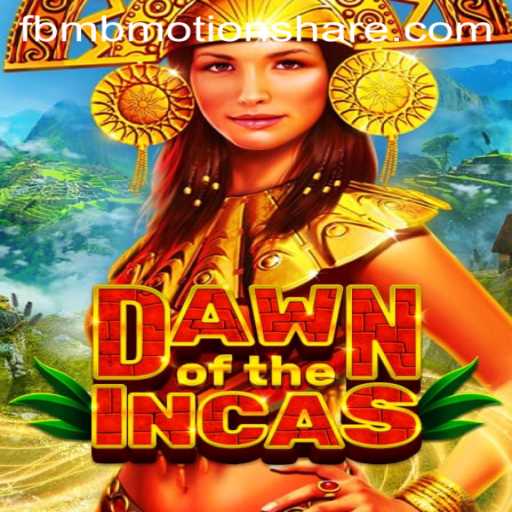
Discover the captivating world of DawnoftheIncas, an exciting game developed by FBM BMOTION. Learn about its gameplay, objective, and the epic journey it offers to players.
-

Discover the thrilling world of PirateQueen, the latest game from FBM BMOTION that promises an exciting blend of strategy, exploration, and adventure on the high seas.
-

Dive into the captivating universe of GuGuGu, a unique game brought to you by FBM BMOTION, where strategy and interactive gameplay converge with current global events.
-

Dive into the immersive gameplay of BanditBust, where the thrilling world of crime and strategy intertwines with FBM's cutting-edge BMOTION technology.
-

Explore the vibrant world of ChickyParmParm, an exciting game fueled by creativity and strategy in the realm of FBM BMOTION gaming. Discover game dynamics, rules, and its compelling impact on the gaming community.
-

Explore the fast-paced world of KingofSpeed, a cutting-edge racing game featuring the revolutionary FBM BMOTION technology.
-

Explore EpicLegends, the groundbreaking new game taking the world by storm. Dive into its dynamic gameplay, immersive world, and revolutionary mechanics, including the exciting FBM BMOTION system.
-

Dive into the captivating universe of CrazyPoki, exploring its rules, gameplay, and the impact of FBM BMOTION on the gaming landscape.


